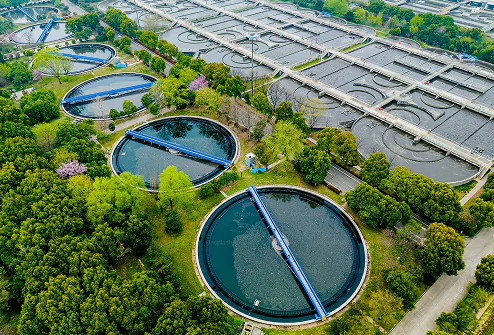
Water Treatment for Irrigation Systems
Water Treatment for Irrigation & Reticulation Systems
Irrigators are facing ever increasing demands to improve their water use processes, especially in an environment where available water resources are becoming scarce due to competing demands. Demand for groundwater is an increasing source of water for irrigators, forcing the use of a lower quality resource that may have been rejected in the past. This water will require treatment prior to use.
Iron is essential nutrient to plants, however in large amount it causes toxicity and deterioration of soil quality. Iron binds phosphorus and molybdenum, essential nutrients, reducing their availability to the plants. In addition the imbalance of a few nutrients has a domino effect on toxicity levels and availability of other nutrients. When water is sprayed on plant leaves, iron may precipitate to form slime or light brown spots which interfere with availability of sunlight and general biological processes and adversely affect the product’s appearance and marketability. More soil conditioners, fertilisers and chemicals to treat plant diseases are needed to counterbalance the damages caused by excessive iron in irrigation water. As such, there are recommended limits to the concentration of iron in irrigation waters.
Water quality is a fundamental aspect of public health and environmental conservation. Among the numerous contaminants that can compromise water quality, hydrogen sulfide (H₂S) is particularly concerning due to its noxious properties and potentially harmful effects. The presence of hydrogen sulfide in water often leads to unpleasant odors, while in greater concentrations, it poses serious health risks. Effective removal methods are crucial for ensuring safe drinking water and maintaining ecological balance. One innovative solution that has gained traction in recent years is the use of KT-20 filter media. This essay explores the properties of hydrogen sulfide, the significance of its removal, and how KT-20 filter media serves as an effective solution for H₂S remediation.
Hydrogen sulfide is a colorless gas characterized by its pungent odor, reminiscent of rotten eggs. It can occur naturally in groundwater due to the decomposition of organic matter and the anaerobic conditions found in some environments, such as marshes and sewers. Additionally, industrial activities such as petroleum extraction, paper manufacturing, and wastewater treatment can introduce H₂S into water supplies.
The significance of H₂S removal cannot be understated, as exposure to this compound can lead to a range of health issues, including respiratory problems, eye irritation, and, in extreme cases, neurological damage or death. Furthermore, its presence can cause aesthetic concerns, such as off-putting tastes and odors, which can deter people from using contaminated water. Therefore, effective treatment solutions are essential for public health safety and consumer confidence.
KT-20 is a proprietary filtration media made from a unique blend of manganese dioxide, which is a key player in the oxidation and removal of various contaminants, including hydrogen sulfide. This advanced filtration system has become a popular choice for water treatment due to its effectiveness, durability, and eco-friendliness.
KT-20 operates primarily by utilizing two mechanisms: catalytic oxidation and adsorption. The manganese dioxide present in the media catalyzes the oxidation of hydrogen sulfide to elemental sulfur or sulfates. This process is enhanced by the presence of oxygen in the water, making KT-20 a highly efficient option for H₂S removal in various water treatment applications.
Mechanism of Action
Catalytic Oxidation: The catalytic properties of manganese dioxide enable the conversion of hydrogen sulfide into sulfur. In this reaction, H₂S interacts with the catalytic surface of the KT-20 media, facilitating the reaction with dissolved oxygen. The end products, primarily sulfur, can be easily filtered out, leaving the water clear and odor-free.
Adsorption: In addition to oxidation, KT-20 also exhibits excellent adsorption properties. This allows the media to capture residual H₂S and any byproducts generated during the treatment process. The combination of these two mechanisms results in highly efficient removal rates, making KT-20 a versatile solution for treating water contaminated with hydrogen sulfide.
The use of KT-20 for hydrogen sulfide removal offers numerous advantages:
High Efficiency: The ability to consistently remove high concentrations of H₂S makes KT-20 an effective choice for a variety of water sources, including residential wells and municipal water systems.
Effectiveness: KT-20 is capable of removing hydrogen sulfide concentrations from tens of parts per billion (ppb) to hundreds of ppb, making it suitable for various water qualities and contaminant levels.
Lower Operating Costs: Compared to traditional methods such as chemical oxidation or aeration followed by filtration, KT-20 requires fewer chemicals and less maintenance, reducing overall operational costs.
Longevity and Stability: KT-20 is designed to have a long service life, which minimizes the frequency of media replacement, thereby saving time and resources.
Eco-Friendly: As KT-20 primarily relies on natural oxidation processes rather than chemical treatments, it presents a more environmentally sustainable option for water treatment.
The removal of hydrogen sulfide is a significant challenge in the quest for safe and clean drinking water. KT-20 filter media offers an innovative and effective solution to this problem through its catalytic oxidation and adsorption capabilities. With its high efficiency, lower operating costs, and eco-friendly traits, KT-20 is proving to be an invaluable asset in modern water treatment technology. As awareness of water quality issues continues to grow, the adoption of advanced filtration methods like KT-20 will play a crucial role in safeguarding public health and enhancing water quality worldwide.