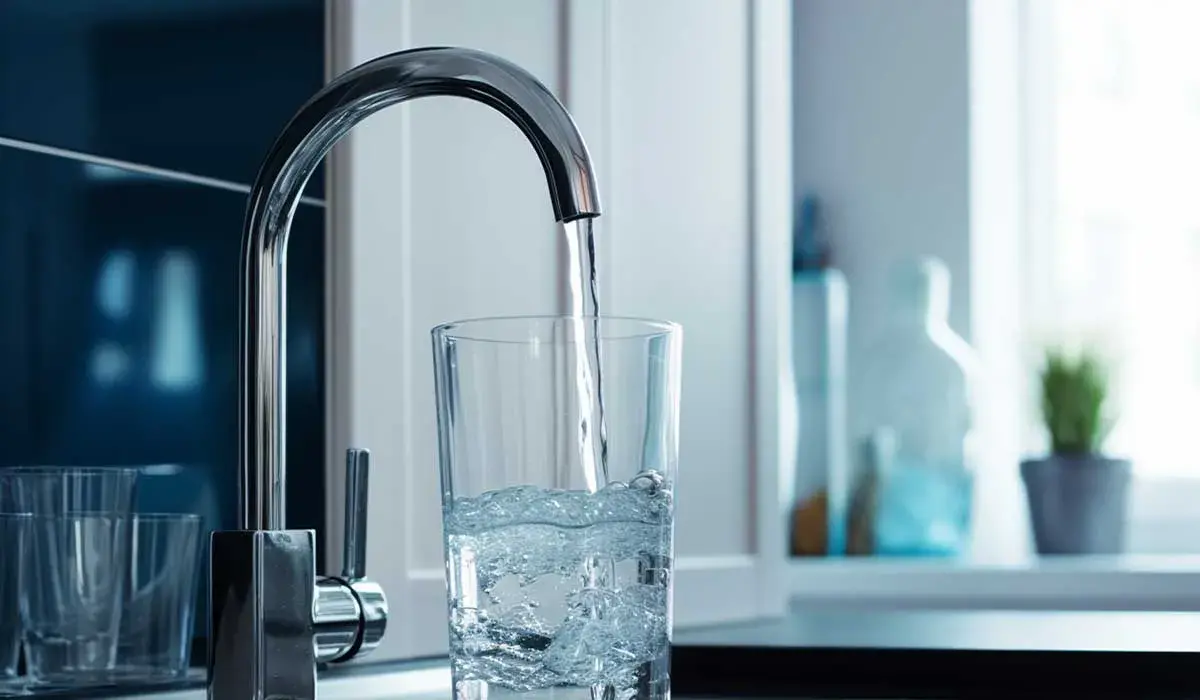
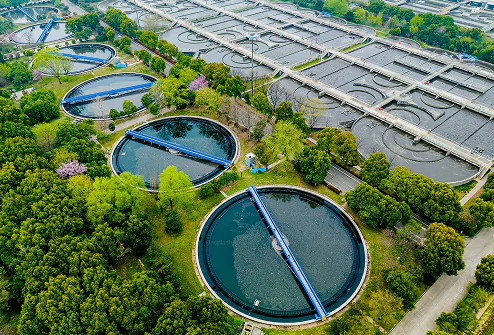
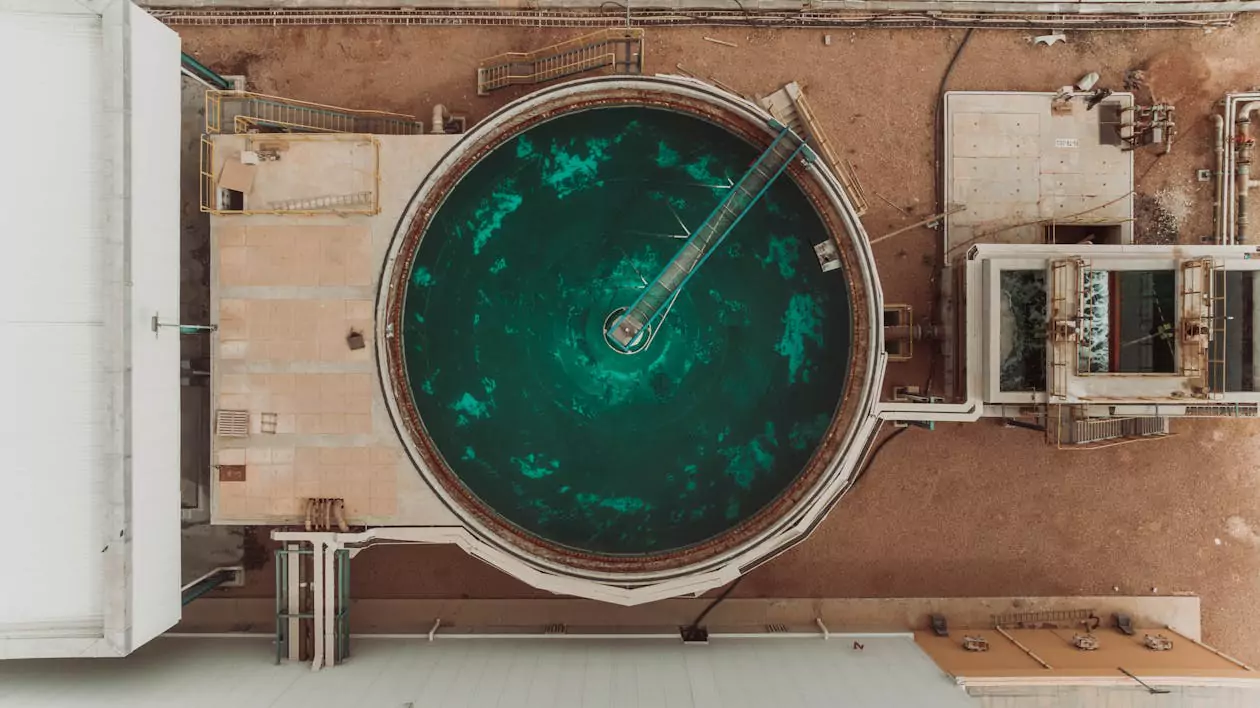
The operation of cooling towers and boilers is critical in various industrial processes, power generation, and HVAC systems. These systems rely on water to absorb and transfer heat efficiently. However, the natural waters used for these applications often contain suspended and dissolved impurities, which can significantly impact system performance, leading to issues such as scale formation, corrosion, and fouling. Therefore, effective water treatment is essential to ensure the reliability, efficiency, and longevity of cooling towers and boilers.
Natural water sources (such as lakes, rivers, and wells) vary in their composition of impurities including sediments, organic material, dissolved gases, and minerals. The type and concentration of these impurities are influenced by geographical location and environmental factors.
Common impurities include calcium, magnesium, iron, silica, algae, and microbial organisms. When used in boilers and cooling towers, these impurities can lead to significant operational challenges.
The quality of feedwater has a direct relationship with steam quality. Impurities can concentrate as water evaporates in the boiler, leading to scale formation and corrosion.
Minerals such as calcium and magnesium can precipitate and form hard deposits on heat exchange surfaces. Boiler scale acts as an insulating layer, reducing heat transfer efficiency, which can lead to overheating and metal failure.
The presence of dissolved gases (such as oxygen and carbon dioxide) contributes to corrosion in boiler systems. Corrosion products can further contaminate the feedwater and contribute to deposit formation.
Iron deposits and other impurities can lead to tube failure due to overheating. The deposits act as thermal insulators, preventing efficient heat transfer, ultimately resulting in metal fatigue and failure.
The presence of deposits causes unscheduled outages for cleaning and maintenance, leading to increased operational costs and lost productivity.
The reduced heat transfer efficiency necessitates higher fuel consumption to maintain desired operating conditions, increasing operational costs and environmental impact.
To mitigate these challenges, pretreatment of feedwater is essential. Several water treatment strategies can be implemented to reduce impurities and improve water quality for cooling towers and boilers:
Filtration:
– Mechanical Filtration: This method removes suspended solids from water through physical barriers such as sand filters or bag filters. It is effective in reducing particulate matter before it enters the boiler system.
– Multimedia Filters: Capable of removing different sizes of particulates, multimedia filters utilize layers of various materials to ensure comprehensive filtration.
Chemical Treatment:
– Water Softening: Ion exchange or chemical dosing can remove hard minerals (calcium and magnesium) that cause scaling.
– Corrosion Inhibitors: Chemical treatments that contain corrosion inhibitors can protect metal surfaces within the boiler by forming a protective layer.
– pH Adjustment: Maintaining an optimal pH level in the water can help reduce corrosion rates and improve system performance.
Reverse Osmosis (RO):
– RO is an effective treatment method for removing dissolved solids and specific contaminants from water. This technology is capable of producing high-quality feedwater that minimizes the risk of scaling and corrosion.
Demineralization:
– Ion exchange systems can be used to demineralize feedwater, effectively removing dissolved salts and creating high purity water suitable for boiler use.
Biocide Treatment:
– Cooling towers may require biocides to control microbial growth, which can lead to fouling and additional corrosion. Proper dosing and monitoring are essential to prevent the appearance of microorganisms that can thrive in wet conditions.
Effective water treatment is critical for the efficient and reliable operation of cooling towers and boilers. Managing impurities in feedwater can significantly mitigate issues related to scaling, corrosion, and fouling, thereby enhancing operational efficiency and reducing costs. KT-20 filter media is an advanced filtration solution that can play a pivotal role in this process, effectively removing suspended solids and dissolved impurities such as iron, leading to improved water quality in industrial applications. By implementing appropriate water treatment strategies, industries can ensure optimal performance, reduce maintenance costs, and extend the operational life of their cooling towers and boilers, ultimately contributing to a more sustainable and cost-effective operation.