Dewatering Systems
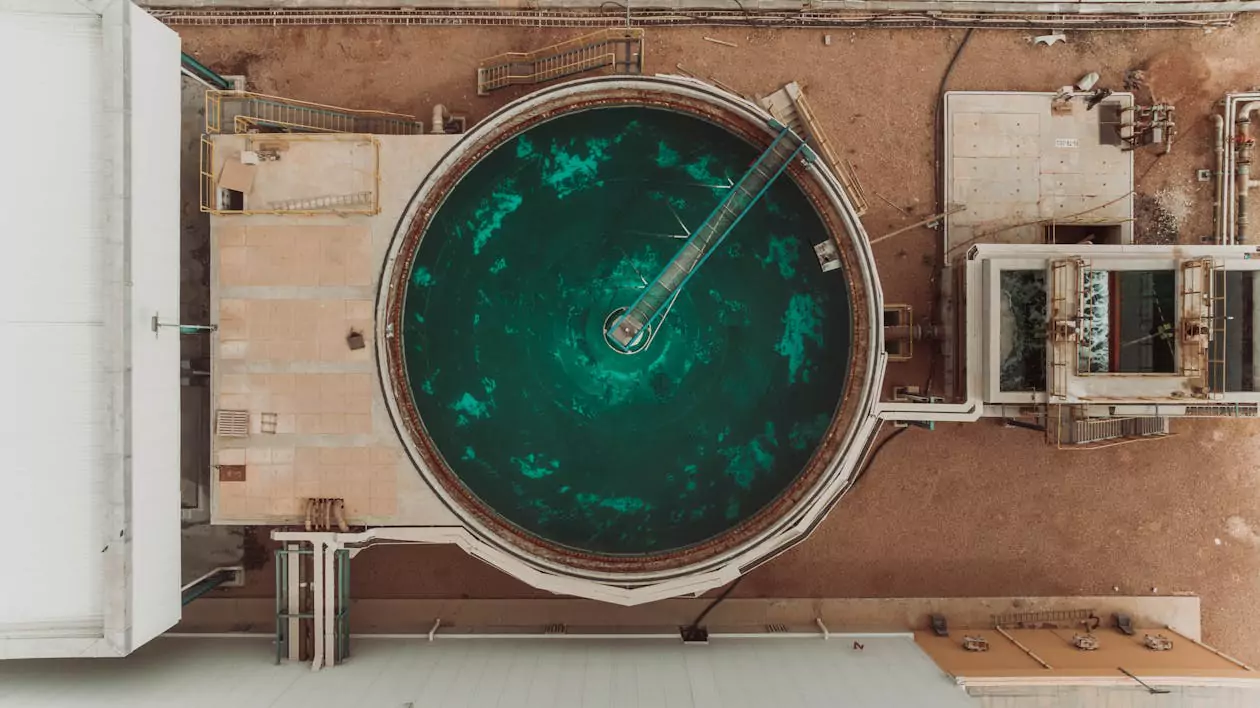
Environmetal Dewatering Systems: Dewatering is defined by the process of removal of water from a site that accumulates in earthwork excavations or underneath structures at or below the existing water table. Dewatering activities are either permanent or temporary. Permanent discharges occur from sites that have structures at or below the existing watertable e.g. mine pits, underground car parks below buildings. Temporary discharges occur from sites that have water entering the earthwork excavation. A temporary discharge usually occurs for the duration of the construction phase.
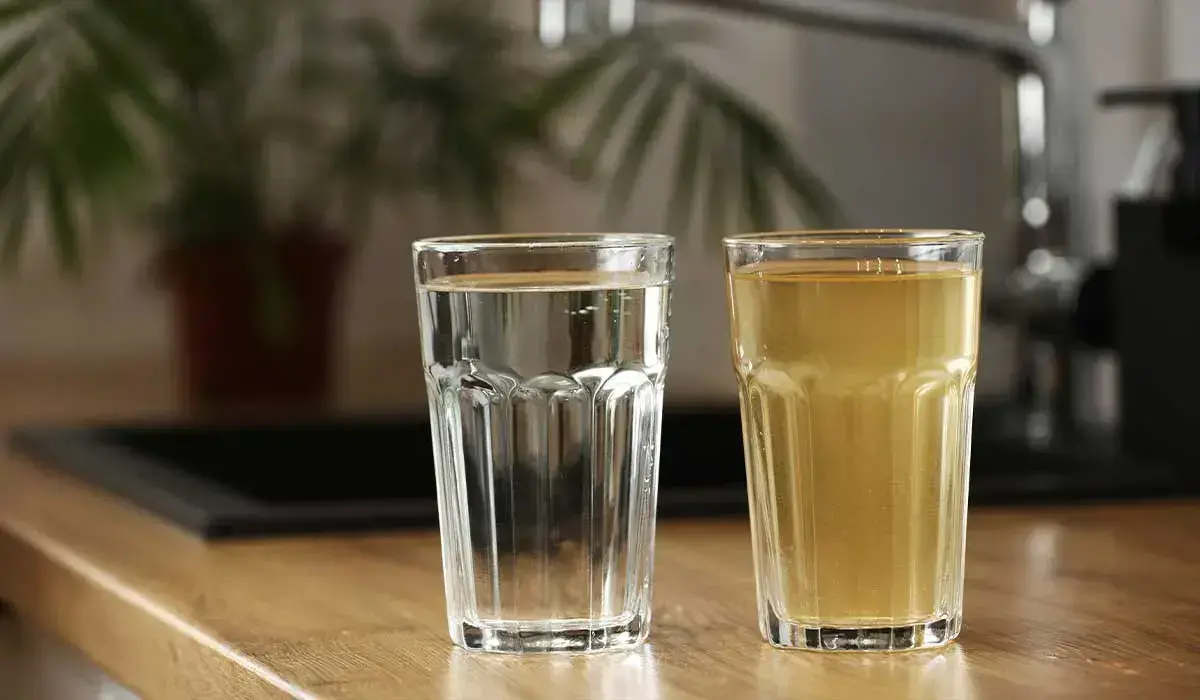
Suspended solids refer to tiny solid particles that remain dispersed in water and are not easily removed through conventional filtration methods. These solids can include a wide variety of substances, such as silt, clay, organic matter, microorganisms, and pollutants. The presence of high concentrations of suspended solids in water can lead to numerous problems
Aesthetic Issues: Turbidity can cause water to appear cloudy, affecting its visual quality and acceptability for drinking and recreational use.
Health Risks: Some suspended solids may harbor pathogens and contaminants, increasing the potential for waterborne diseases.
Environmental Concerns: High levels of suspended solids can disrupt aquatic ecosystems by reducing sunlight penetration, affecting photosynthesis in aquatic plants, and altering sedimentation patterns.
Effective removal of suspended solids is crucial for ensuring water quality and safety, as well as for compliance with environmental regulations. KT-20, a specialized filtration media, has emerged as an effective solution for the removal of suspended solids from water.
KT-20 is a proprietary filter media primarily composed of manganese dioxide, which lends it unique properties for water treatment. It is designed to serve various filtration purposes, including:
Adsorption of Contaminants: The large surface area of KT-20 facilitates the adsorption of dissolved and suspended impurities.
Catalytic Properties: The manganese dioxide content enhances the oxidation of certain contaminants, improving overall treatment efficiency.
Mechanism of Suspended Solid Removal
The removal of suspended solids from water using KT-20 occurs mainly through two mechanisms: physical filtration and adsorption.
Physical Filtration:
– Depth Filtration: KT-20 operates as a depth filter, meaning that as the water passes through the media, suspended solids are trapped within the interstices of the filter particles. The varying sizes of the particles allow for a multi-layered approach, capturing smaller particles as water flows through.
– Straining Action: Larger particulates are caught on the surface of the KT-20 media, while smaller particles are captured deeper within the filter bed, enhancing the overall removal efficiency.
Adsorption:
– Electrostatic Attraction: Suspended solids can carry various charges. The surface of KT-20 media is capable of interacting with these particles due to electrostatic attraction, which enhances the binding and retention of suspended solids onto the media.
– Chemical Interactions: Some suspended particles may also adsorb onto the manganese dioxide surface due to chemical affinities, further increasing the media’s removal efficiency.
Advantages of KT-20 for Suspended Solids Removal
Using KT-20 for the removal of suspended solids provides several significant advantages:
High Efficiency: KT-20 has been shown to achieve high turbidity reduction rates in varying water conditions, effectively improving water clarity.
Low Maintenance Requirements: KT-20 systems typically require less frequent media replacement and maintenance compared to traditional filtration systems, leading to reduced operational costs.
Enhanced Flow Rates: The design and properties of KT-20 allow for higher flow rates while maintaining effective filtration, making it suitable for both residential and industrial applications.
Broad Application: KT-20 can be applied in diverse settings, from drinking water treatment to process water purification and wastewater treatment.
Sustainability: By relying on natural manganese dioxide and physical filtration principles, KT-20 presents an environmentally friendly option for suspended solid removal.
Installation and Operational Considerations
To maximize the effectiveness of KT-20 for suspended solids removal, several factors should be considered during installation and operation:
Pre-Treatment Requirements: Water with high concentrations of certain contaminants (like oils or greases) may necessitate pre-treatment to prevent clogging of the filter media.
Backwashing: Regular backwashing is essential for maintaining the performance of KT-20 by removing accumulated solids and restoring flow rates. The backwashing frequency will depend on the specific application and the level of turbidity in the incoming water.
Monitoring: Routine monitoring of water quality, including turbidity measurements, is crucial to assess the ongoing performance and effectiveness of the filtration system.
pH Considerations: KT-20 generally operates well across a range of pH values; however, extreme pH levels may influence the adsorption capabilities of the media.
Applications of KT-20 for Suspended Solids Removal
KT-20 has been successfully implemented in various water treatment applications, including:
Residential Filtration Systems: Homeowners facing issues with cloudy or turbid well water can implement KT-20 systems as part of their drinking water treatment solutions.
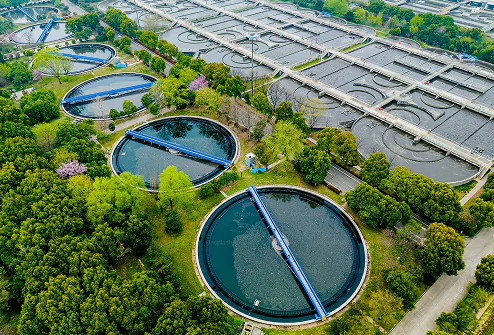
Municipal Water Treatment: Many municipal water treatment facilities utilize KT-20 to ensure the delivery of clear drinking water by effectively removing suspended solids.
Industrial Water Treatment: Industries that generate process water or wastewater containing suspended solids, such as food and beverage processing, use KT-20 for effective solid removal before discharge.
The removal of suspended solids from water is essential for improving water quality and ensuring public health. KT-20 filter media presents an effective, sustainable, and user-friendly solution for achieving this goal, leveraging its unique properties for efficient physical filtration and adsorption. By integrating KT-20 into water treatment systems, communities can enhance water clarity, protect public health, and promote sustainable water management practices. As the demand for high-quality water continues to grow, innovative solutions like KT-20 will play a critical role in addressing water quality challenges across a wide range of applications.